Your quote said three weeks. The part shipped in six. For procurement and operations managers, a late part can stall assembly, trigger stockouts and leave customer demand unmet. In CNC Machining, the date on a quote covers every stage of the job, from drawing review to delivery. This guide from Custom Concepts Machining, a precision machine shop in Leamington, Ontario, explains what drives manufacturing lead time and how buyers can shorten it.
What a CNC Machining Lead Time Includes
Manufacturing lead time runs from your quote request to the delivered precision machined part. Cutting metal is only one stage of the manufacturing process. Each stage takes calendar time. A delay at any stage pushes back the delivery date and affects your supply chain.
- Quote and drawing review
- Material ordering and receiving
- Programming and machine setup
- Machining
- Finishing and secondary operations
- Inspection and quality control
- Packing and shipping
When a shop gives you a date, ask which stage takes the most time for your part.
Typical CNC Machining Lead Times by Job Type
Each type of manufacturing job moves through these stages in its own way. Custom Concepts Machining handles three main types of work.
Emergency Runs
When a critical part fails and a line stops, the order is usually 2 to 20 pieces. Speed matters more than unit price. The job moves fastest when you send the broken part, photos and any drawing on the first call. Custom Concepts Machining supports plants across Windsor-Essex with emergency machining and industrial maintenance.
Prototypes and First Articles
A prototype often needs a 3D model, a new program and a first setup. Material choice and part complexity set the schedule. Settle any design changes at this stage, before you place a production order.
Batch Production
Repeat runs depend on material planning, production scheduling and machine capacity. Custom Concepts Machining runs repeat production runs of 50 to 500 units and larger. Planning to cut quantity to save time? First ask your shop how setup, programming and changeover times apply to your order size.
What Really Drives CNC Machining Lead Times
Six factors shape the date on a quote. Any one of them can become a bottleneck. Most of them also shape what a CNC machined part costs.
Material Sourcing
If the shop does not stock your material, the job waits until it arrives. Availability depends on the alloy, the bar size and supplier lead times, whether you specify aluminum, stainless steel or titanium. Ask the shop to confirm stock before you finalize the drawing.
Material Machinability
Ask the shop two questions. How does your material selection affect cutting time and tool use? Does another grade meet the same function?
Tolerances and Design for Manufacture
Each tight tolerance on a drawing must be machined and then checked. Each time a part is re-positioned in the machine, the shop adds another setup, so part geometry matters. Apply tight tolerances only where the function needs them. Ask for a manufacturability review to see if the part can be made in fewer setups.
Incomplete Drawings
Missing thread callouts, surface finish notes or unclear dimensions raise questions before work can begin. The shop sends the questions, waits for answers and then updates the quote. The job cannot start until the answers arrive.
Secondary Operations and Finishing
Heat treating, anodizing, plating and other surface treatment steps happen after machining. Some shops send these steps to outside vendors. Ask which steps happen in-house and which go out. Each handoff adds a step to the schedule.
Shop Queue and Capacity
Your order joins a queue of other jobs. Its place in that queue depends on machine availability and any quality control steps your drawing requires. A shop that knows your volumes in advance can plan around them.
How Buyers Shorten CNC Machining Lead Times
Buyers control several stages of the schedule. The steps below remove bottlenecks before an order starts.
Design for Fewer Setups
Small design choices remove extra setups and tooling waits:
- Use standard hole sizes and thread callouts
- Avoid features that need special tooling
- Group features on as few faces as possible
A design review before release catches these issues early.
Choose Available Materials
Pick a common grade unless performance requires something else, and confirm stock with the shop. If you keep raw stock in inventory, ask whether the shop accepts customer-supplied material. Also ask what paperwork your drawing requires.
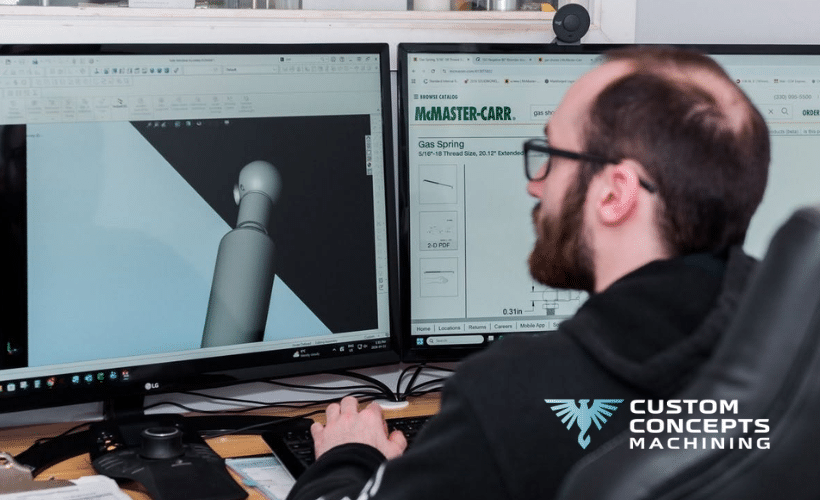
Send Complete Files Up Front
A complete package goes straight to quoting. Send these items together:
- 3D model of the part
- 2D drawing with tolerances and thread callouts
- Material, finish and quality standards
- Quantity per order and expected annual volume
- Required delivery date
Use the machine shop selection checklist to compare suppliers on the same terms.
Group Finishing Requirements
Use fewer distinct surface treatment steps, such as anodizing and plating, where function allows. For an urgent functional prototype, ask whether an as-machined finish works for testing.
Move Repeat Parts to Scheduled Orders
Do you buy the same part every month or quarter? Discuss a blanket order or scheduled releases with your shop. Forecasts based on your customer demand give the shop what it needs to plan material and machine time before each replenishment. Set release dates against your inventory levels so each replenishment arrives before a stockout. Terms vary by agreement, so review your own purchase order terms before you commit.
Answer Shop Questions the Same Day
Every hour a question sits unanswered, the job waits. Name one technical contact who can reply quickly.
Work With a Nearby Shop
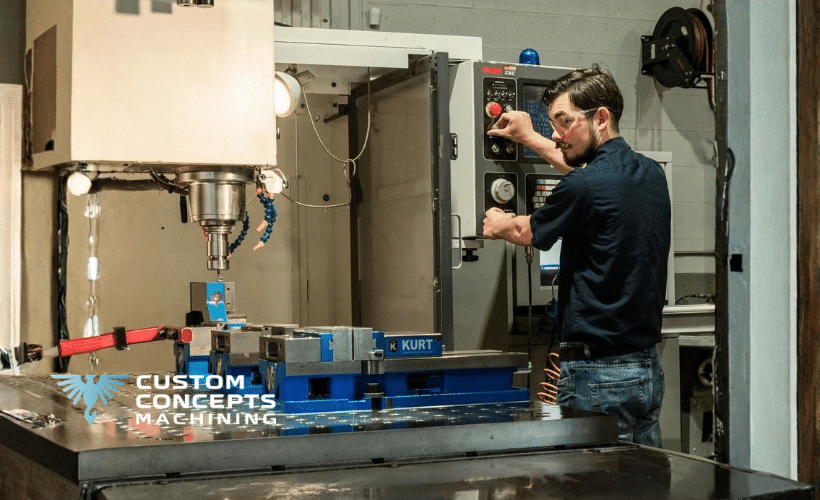
A shop within driving distance shortens your supply chain and simplifies logistics. You can drop off parts, review first pieces and pick up urgent orders. Custom Concepts Machining offers CNC milling and turning from Leamington, with bar feeder automation for repeat turned parts. For cross-border logistics, confirm duty and customs requirements with the Canada Border Services Agency or a licensed customs broker.
Case Study: Replacement Die Clamping Feet
Label die cutting machines use steel clamping feet to hold dies in place. The feet wear and break, and the machine cannot run without them. A customer needed replacement sets without waiting on its original supplier. Custom Concepts Machining made them in four steps:
- Machined the feet from steel stock
- Heat treated the parts
- Applied a black oxide coating
- Surface ground the grooves to the dimensions and clearances the dies require
Read the full die clamping feet project. If your equipment maker no longer supplies a part, see your options when the OEM discontinues a part. Before you order any replacement, confirm design rights and warranty terms with the equipment maker or your own contract.
FAQ: CNC Machining Lead Times
How long does a CNC machining quote take?
It depends on how complete your files are. With a full package, the shop can quote without follow-up questions. Call Custom Concepts Machining to ask about timing for your part.
Does a smaller order always ship faster?
Ask the shop how quantity affects the date for your part before you reduce volume to save time.
How do I get an emergency part made fast?
Call first, then send what you have:
- The broken part, or clear photos from several angles
- Key measurements and the material, if known
- Any drawing, model or part number
- The quantity you need to restart the line
Custom Concepts Machining runs emergency jobs of 2 to 20 pieces for plants across Windsor-Essex.
Can blanket orders reduce lead time on repeat parts?
A blanket order or scheduled release gives the shop advance notice of your volumes. Ask how the shop uses that notice. Review your own purchase order terms before you commit.
Plan Your Next Run With Custom Concepts Machining
Lead time problems start in the supply chain, long before a part reaches the machine. Clear files, available materials, fewer setups and shared forecasts give your shop what it needs to set a date and plan to it. Custom Concepts Machining serves manufacturing buyers in these areas:
- Emergency machining: Leamington, Windsor, Kingsville, Essex, LaSalle, Tecumseh and Chatham-Kent
- Onsite maintenance: Windsor-Essex County
- Batch production: buyers across Ontario and the United States
- Contact: (519) 325-0804 or the quote request form

Send your drawing, material and quantity to Custom Concepts Machining today, and get a CNC Machining quote built around your production schedule.